How to Enhance Learning Environments in Australia with Advanced Audio-Visual Tools
Optimizing Lecture Tools
Choosing Advanced Projectors
In my lectures, particularly those held at places like the University of Sydney, technology plays a significant role in creating an engaging learning environment. Selecting the right data projectors is crucial in ensuring that both small seminar rooms and large lecture halls can present clear and dynamic content. Whether you're in a room designed for intimate discussions or a large venue such as the ones used at the Sydney Opera House for its multimedia seminars, having a projector capable of delivering vibrant images and smooth video playback can make all the difference.
When choosing a data projector, there are several factors to consider:
- Resolution: Opt for high resolution to ensure clarity across a variety of content types, from detailed graphs to high-definition videos.
- Brightness: A higher lumen count is essential for visibility in well-lit rooms.
- Connectivity: Modern projectors should offer multiple input options, such as HDMI, USB, and wireless capabilities.
Beyond technical specs, I also consider the ease of setup and maintenance. Exploring options that align with the knowledge resources from the State Library of New South Wales can offer additional insights into the best choices for higher education settings. Such projectors not only enhance the quality of presentations but also contribute significantly to fostering a more interactive and stimulating academic environment.
Enhancing Student Engagement
As university educators, it’s essential that we create an interactive learning environment that captivates our students. One method to achieve this is by implementing interactive software that encourages active participation. Utilising platforms that allow real-time polling or collaborative brainstorming offers a dynamic way for students to engage with the lecture material, prompting them to think critically and contribute meaningfully.
In addition to interactive software, leveraging multimedia content is another effective strategy. By incorporating visuals, videos, and animations into your lectures, you can illustrate complex concepts and bring your subject matter to life. This is akin to how the Sydney Opera House enriches its multimedia seminars, turning information into an engaging spectacle. Such an approach can make your lessons as memorable as the landmarks of our city.
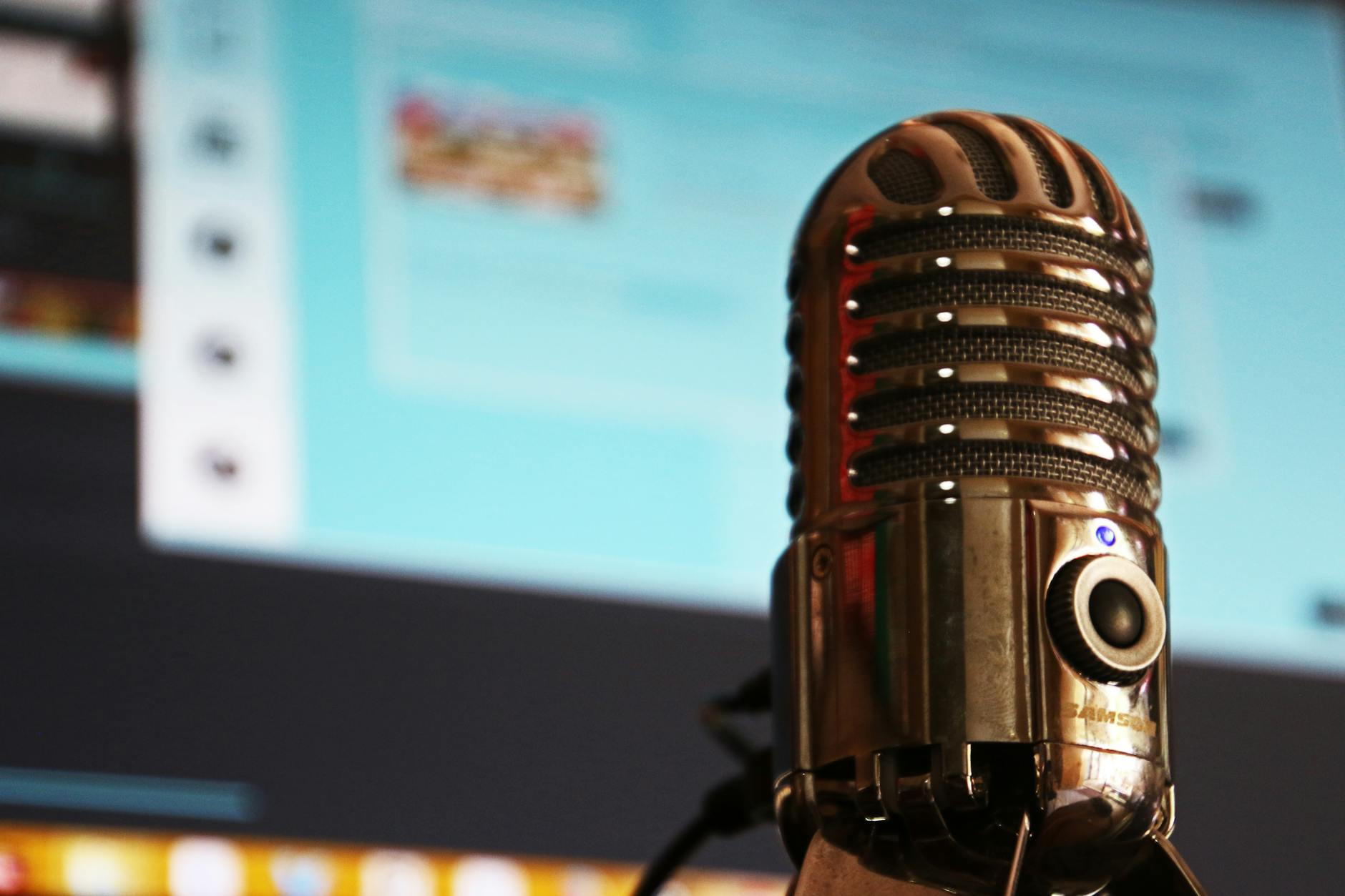
Feedback is pivotal for any educational environment. Encouraging student feedback not only fosters an open dialogue but also provides insights into how effectively you're communicating course material. Regularly soliciting feedback through surveys or informal discussions can reveal how students perceive the integration of technologies like a professional microphone or other advanced tools. This allows you to make necessary adjustments to enhance the learning experience continually.
Through employing these strategies, we can ensure our classrooms are not just places of learning but hubs of vibrant academic discussion and interaction.
Addressing Technological Challenges
Managing Tech Integration
As a lecturer at the University of Sydney, I've come to understand how critical it is to integrate technology into classroom settings effectively. One thing I often remind my students is that technology isn't a substitute for pedagogy but a tool to enhance it. Balancing tech integration involves thoughtful planning and aligning it with curriculum goals. To accomplish this, I recommend starting small. Begin with simple tools that cater directly to your specific academic needs, gradually introducing more complex broadcast solutions once you feel confident.
Ensuring Reliability
Dependability in technology is non-negotiable, especially in an academia that relies heavily on it for seamless operations. To mitigate potential pitfalls, ensure your technological tools are compatible with existing infrastructure, easily accessible to students, and are backed by robust support systems. Leveraging the knowledge resources from the State Library of New South Wales can also provide additional insights on maintaining tech reliability. It can be helpful to consult case studies or journal articles that delve into successful tech integrations within educational settings.
Overcoming Learning Curves
Introducing new technologies comes with its set of challenges, not least of which is the learning curve involved. Training and time allocation for both educators and students are key to overcoming initial hurdles. Workshops and seminars, perhaps similar technologically engaging presentations at the Sydney Opera House, can provide practical insights and real-world application scenarios. Encouraging an open dialogue about challenges faced by students and educators can also foster a collaborative learning environment where everyone feels supported.
Creating Immersive Environments
Using Virtual Reality Tools
Introducing virtual reality (VR) into higher education can significantly enhance the learning experience by offering a deeper level of interaction and engagement. By integrating VR tools, I can create simulations that transport students beyond the traditional classroom setting, making abstract concepts more tangible. This approach not only supplements theoretical learning but also caters to diverse learning styles.
Setting Up Augmented Reality
Incorporating augmented reality (AR) technologies into education opens new ways to present and interact with information. AR enables me to overlay digital information onto physical spaces, enriching lectures with context-relevant insights. For instance, while discussing Sydney's architectural heritage, students could use AR to visualize the original structures overlaid on their present-day counterparts, bringing subjects like history or engineering to life.
Tailoring Content for Immersion
Ensuring that learning materials are customized for immersive technology is crucial for maximising their educational potential. It's important for me to consider how audio equipment plays a pivotal role, enhancing these environments by providing clear soundscapes that align with visual stimuli. This holistic approach encourages critical thinking and deeper engagement during lectures. Tailored content adaptation enables students to have immersive, multisensory experiences that cater to evolving educational paradigms.
Effective Strategies for Educational Technology Success
Staying Updated with Educational Innovations
Continuous development in educational technology necessitates staying informed about the latest trends. In my lectures, I often emphasize the importance of engaging with platforms such as the educational showcases at the Sydney Opera House for its multimedia seminars. Academics who immerse themselves in workshops and conferences gain first-hand experience with cutting-edge tools. This is crucial for continued effectiveness in the classroom setting.
Thorough Pre-Implementation Testing
Implementing technology without rigorous testing is akin to setting sail without a compass. Before deploying any new tool in your educational strategy, it is vital to rigorously test each component. I advise using knowledge resources from the State Library of New South Wales to access evaluation frameworks that can form a robust baseline for any trial runs. This kind of preparation ensures seamless integration and optimises the learner experience.
Partnering with Information Technology Professionals
Collaborating with IT experts is indispensable. At the University of Sydney, it’s common for lecturers to work closely with IT professionals to address specific technical challenges. This partnership ensures that when a system malfunctions, there's a quick and effective resolution pathway. Moreover, the integration of interactive projectors and educational software often demands specialised knowledge, which these professionals can provide. By leveraging their expertise, educators can focus more on delivering quality content, feeling confident that technical issues are under control.